We've Been Twinning the Wrong Thing
Talk to most manufacturers about digital twins, and they'll point to a machine. A conveyor belt with sensors. A CNC unit feeding live telemetry into a simulation. That's useful, genuinely. But it only tells you part of the story.
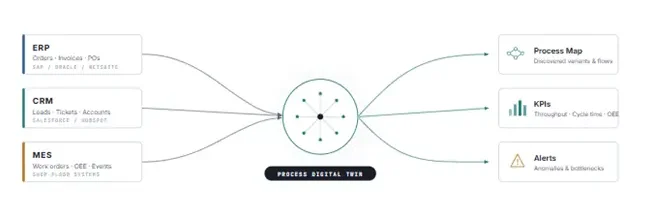
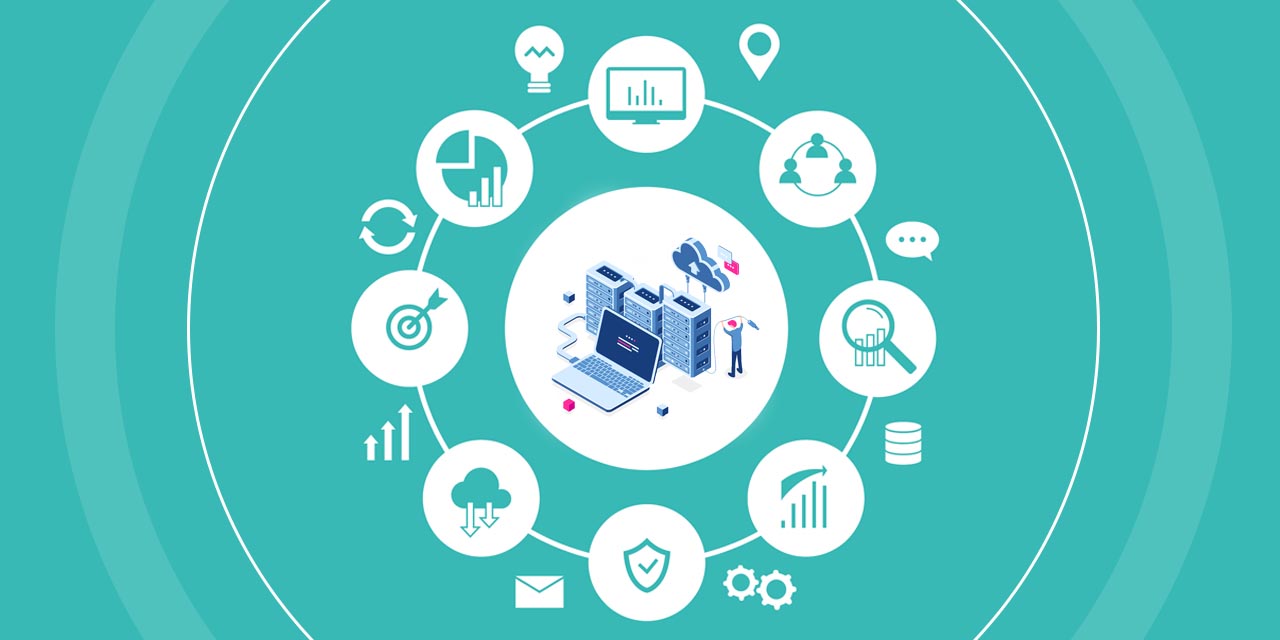
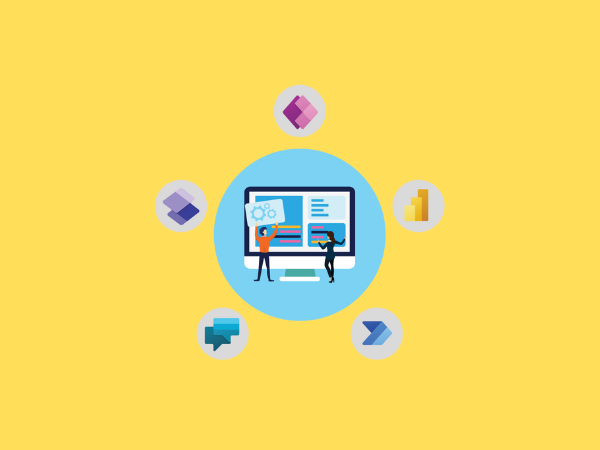
Fig 1: A Process Digital Twin unifies ERP, CRM, and MES data into a single, real-time operational model
The bigger question nobody is asking: what happens to your operation when that machine goes down? How does it ripple through your procurement queue, your customer orders, your shipping schedule? That chain of events, the actual process, is what most organizations have never bothered to model.
Process mining fixes that. It creates a Digital Twin not of your equipment, but of your entire workflow. And once you've seen your operations through that lens, the machine-level twin starts to feel like a very expensive speedometer.
What a Process Digital Twin Actually Is
A Process Digital Twin is a continuously updated, data-driven model of how your operations run in reality. Not the flowchart you drew during an ISO audit. Not the BPMN diagram sitting in a SharePoint folder nobody opens. The actual thing, captured from the systems your teams use every day.
The raw material is your event log data. Every time someone raises a purchase order in SAP, closes a ticket in Salesforce, or records a batch completion in your MES, a timestamped event gets written to a database somewhere. Process mining reads those logs across all your systems and stitches together a picture of your real process, every variant, every shortcut, every rework loop included.
The twin itself is live. It updates as new events come in. So instead of reviewing last quarter's process performance in a slide deck, your operations team can see right now whether the Order-to-Cash process is running the way it should.
Where It Shows Up in the Real World
A few examples worth knowing about:
In each case, the insight didn't come from a new tool or a consultant's recommendation. It came from looking at data the organization already had, just never in this form.
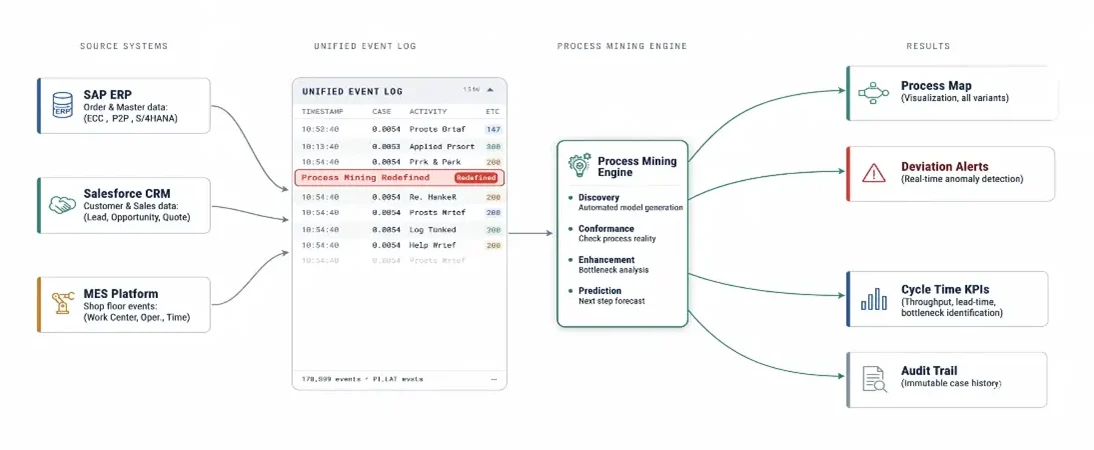
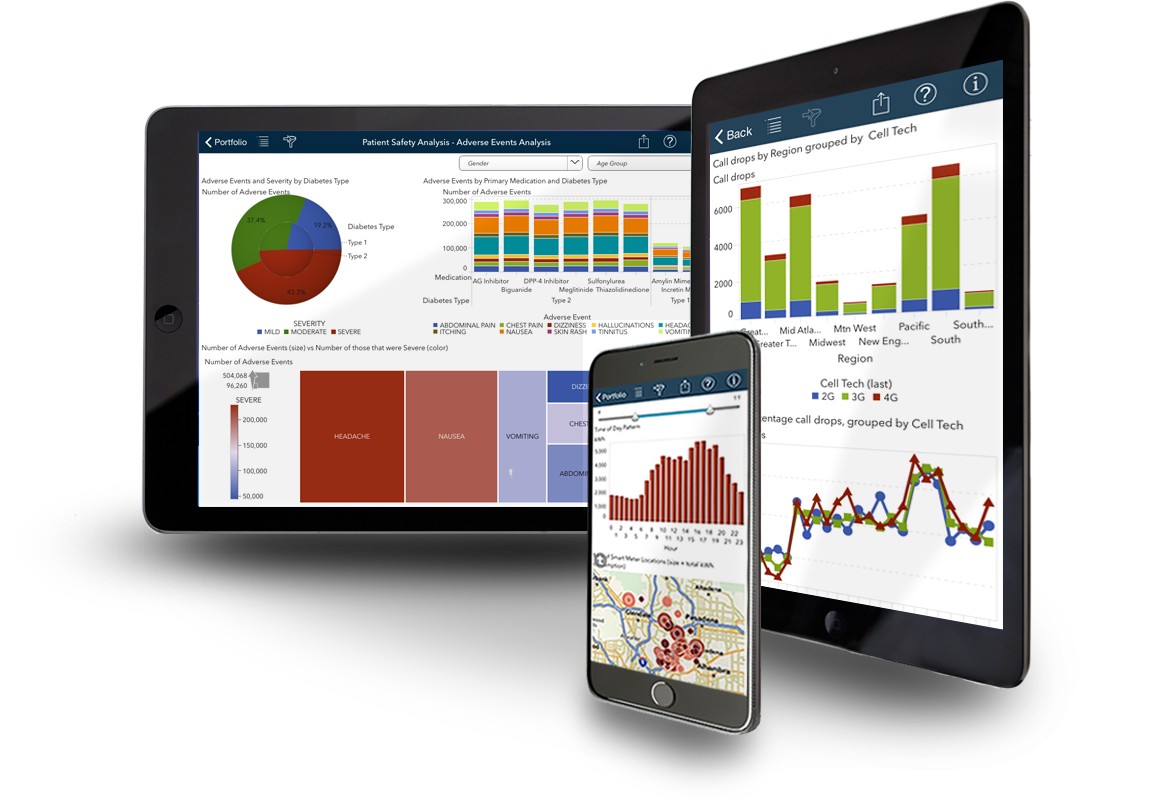
Fig 2: How ERP, CRM, and MES event logs flow into the process mining engine to produce operational insights
How It Works, Step by Step
The architecture is more straightforward than it sounds.
That last step is worth pausing on. Conformance checking isn't just reporting what went wrong after the fact. It's catching the drift as it happens, which gives you a fighting chance to course-correct before downstream teams feel the impact.
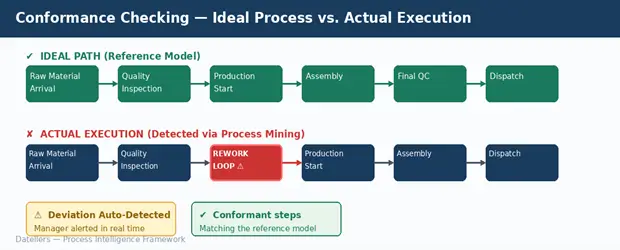
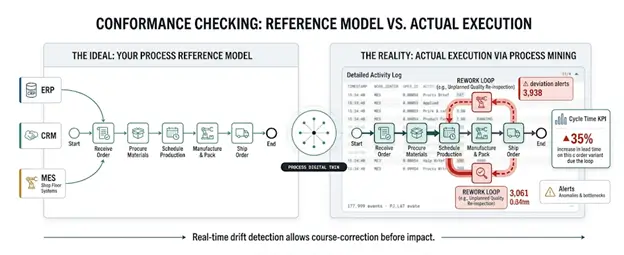
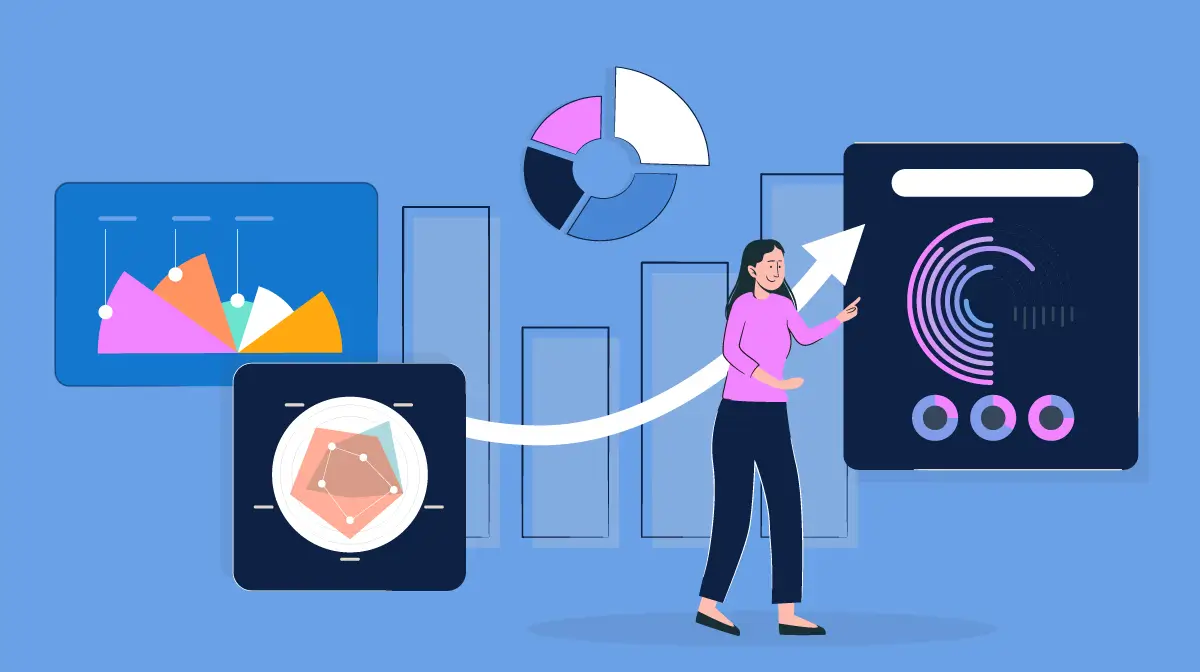
Fig 3: Conformance checking compares your reference model against actual execution and flags deviations in real time
The Real Shift: From Reactive to Proactive
Here's the practical change this creates. Right now, a lot of operations management is detective work. Something goes wrong, and your team spends time figuring out where it started, why it happened, and who needs to know. The data was always there. You just couldn't read it fast enough.
With a process digital twin running, that changes. You're not waiting for a machine failure to appear in a report. You're watching, in real time, how a quality hold in production is building up a backlog that will hit your dispatch team in four hours. You can act on that.
Organizations that have implemented process mining tend to see a few consistent outcomes:
Where Datellers Comes In
Building a process digital twin sounds straightforward in principle. In practice, the work is in connecting disparate source systems cleanly, structuring event logs correctly, and making sure the monitoring layer reflects how your processes actually work, not a generic template.
At Datellers, we've done this across manufacturing, logistics, and service operations. Our approach starts by understanding the specific process you want to instrument, then working back to the data your systems already hold. We handle the integration, the process discovery, and the conformance model setup, and we build it so your operations team can maintain it without needing to involve us for every update.
We work with tools like Celonis and IBM Process Mining, as well as open-source alternatives where they're a better fit. The goal isn't to sell you a platform. It's to give your team visibility they don't currently have.
The machine digital twin tells you a part broke. The process digital twin tells you what that means for the rest of your operation and gives you time to do something about it. That's the difference between knowing and understanding. In a complex operation, understanding is where you actually run things well.
If you'd like to explore what this looks like for a specific process in your organization, learn more about how Datellers approaches data modelling and reporting.